Trade & Industrial Policy Strategies (TIPS) is an independent, non-profit, economic research institution established in 1996 to support economic policy development. TIPS undertakes quantitative and qualitative research, project management, dialogue facilitation, capacity building and knowledge sharing. Its two areas of focus are trade and inclusive industrial policy; and sustainable development.

The TIPS Development Dialogue: Industrial policy after the COVID-19 downturn was held on Thursday 25 April 2024. For more information about the programme and speakers, and copies of the video and presentations, go to Development Dialogue.
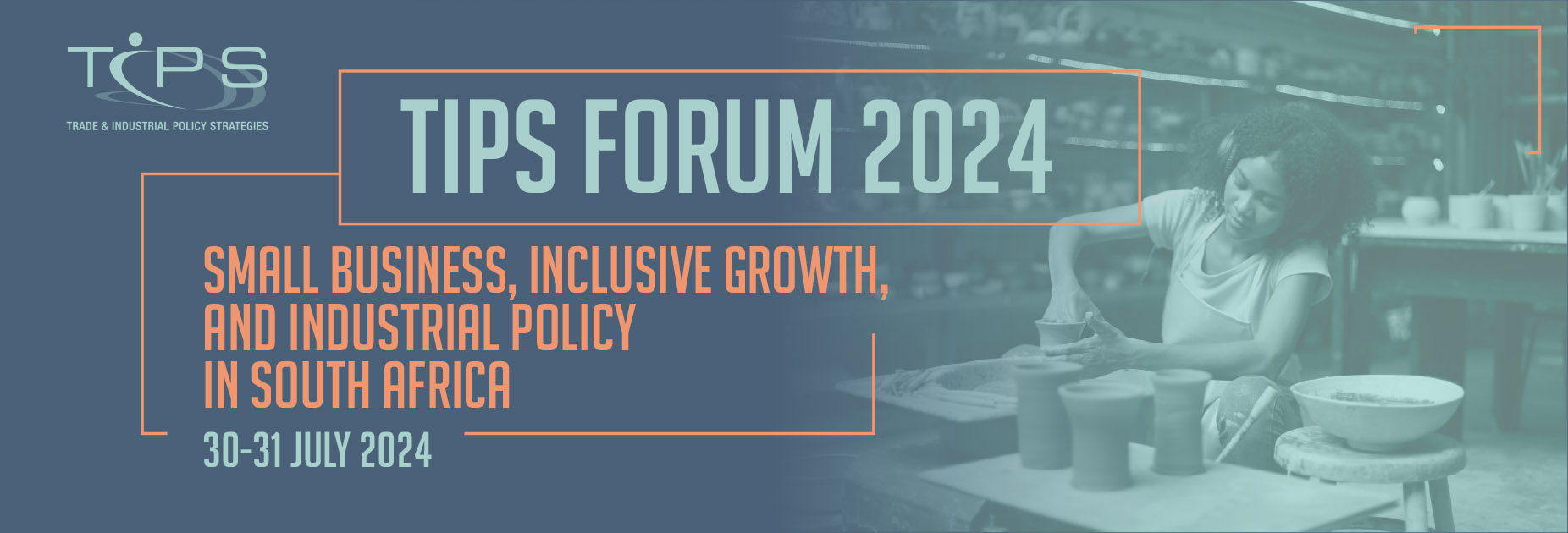
Small Business, Inclusive Growth, and Industrial Policy in South Africa: 30-31 July 2024.
Authors are invited to submit an abstract of up to 500 words. To be considered, abstracts should be submitted by Friday 29 March 2024. Authors will be notified of the decision by Friday 10 May 2024. Final papers are due for submission by Friday 28 June 2024. Abstract submissions should include full contact details of the authors.
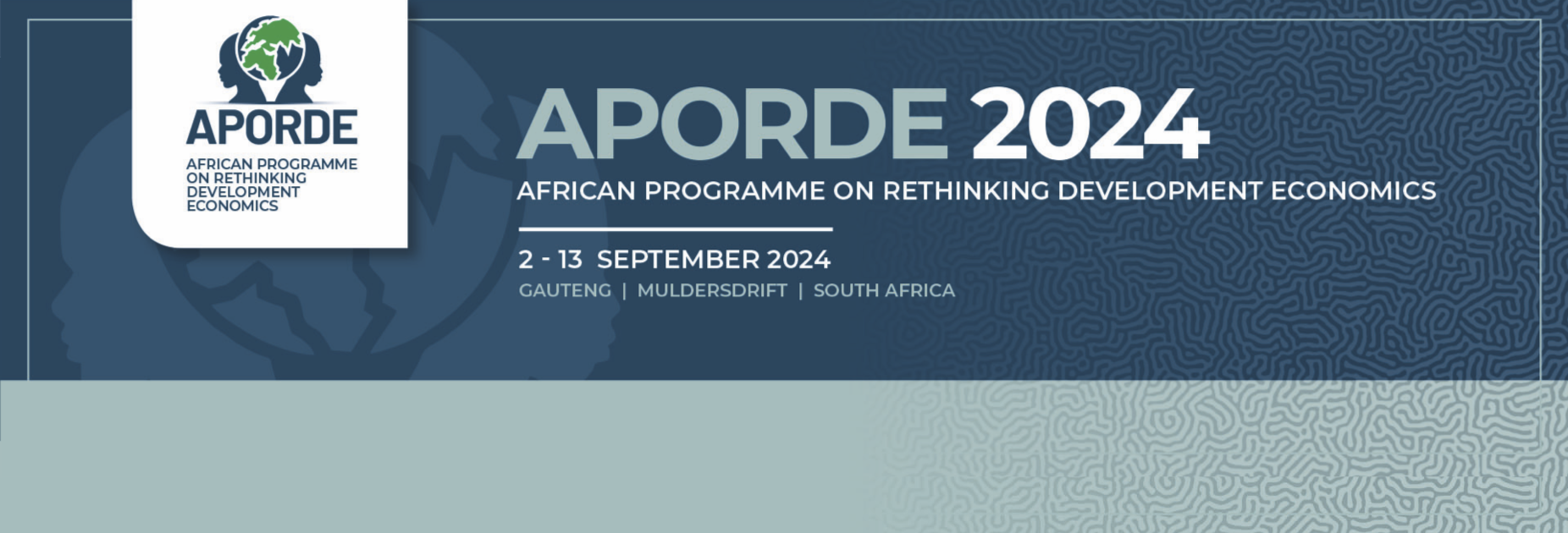
APORDE is a high-level training programme in development economics which aims to build capacity in economics and economic policy-making. The course is run for two weeks and consists of lectures and seminars taught by leading international and African economists.
This call is directed at talented economists, policymakers, academics and civil society activists who, if selected, will be fully funded to participate in the course.
Applications will close on Friday 10th May 2024. Register here